Choose gender and pole count as separate selections
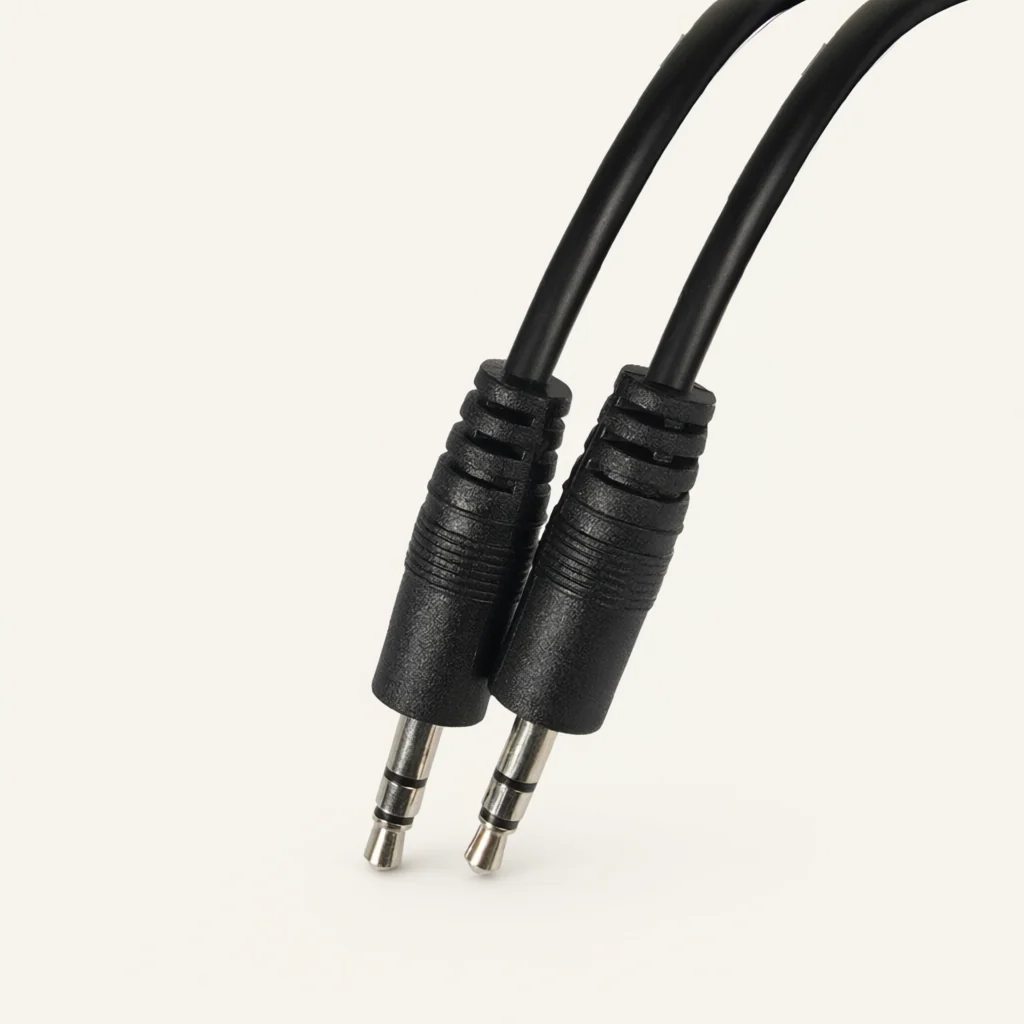
State whether your assembly requires a male or female audio connector, then identify the required 2, 3 or 4-pole configuration. Put both choices in the purchasing description. Ask the technical owner of your equipment to approve the selection and provide the mating interface reference. Keep different gender and pole combinations on separate enquiry lines.
If you are replacing an existing lead, include its controlled drawing and explain any requested change. Provide a clear connector photograph as supporting context, but retain the written configuration requirement as the item to review. Ask for a proposal against the current mating interface rather than using a previous informal cable name as the full specification.
For a product range with several audio connections, assign each lead an assembly location or item code. Use that code with the requested gender and pole count throughout the enquiry. Ask the proposed description to preserve these distinctions so your buyer and technical reviewer can discuss the same configuration without combining options.
Draw the contact assignment your equipment requires
Ask your engineer to prepare a contact-assignment drawing for the selected connector. Label the viewing direction and identify the references used for each connection. Attach the relevant equipment interface documentation where available. Request that the proposed pigtail be reviewed against this schedule and ask for clarification of any detail needed to establish the intended configuration.
Define the required function of each connection in your own assembly instruction. Keep those assignments explicit rather than asking someone to infer them from the number of poles. If your project has a particular audio connection scheme, include its document reference and revision. Have the person responsible for that scheme approve the schedule before it is used for purchasing.
Where a receiving assembly drawing uses a different set of references, ask your technical team to show the correspondence. Keep both documents with the enquiry and identify which one controls the final connection instruction. Request a proposed configuration that can be compared with the approved schedule, and leave unresolved assignments open until your technical owner responds.
If the project is still choosing between two connection schemes, show them as separate alternatives and identify the decision owner. Ask for any proposal to name the scheme it addresses. Keep that choice open until the responsible engineer has selected it, then update the current drawing before requesting the final sample configuration for review.
Specify the unfinished end and receiving operation
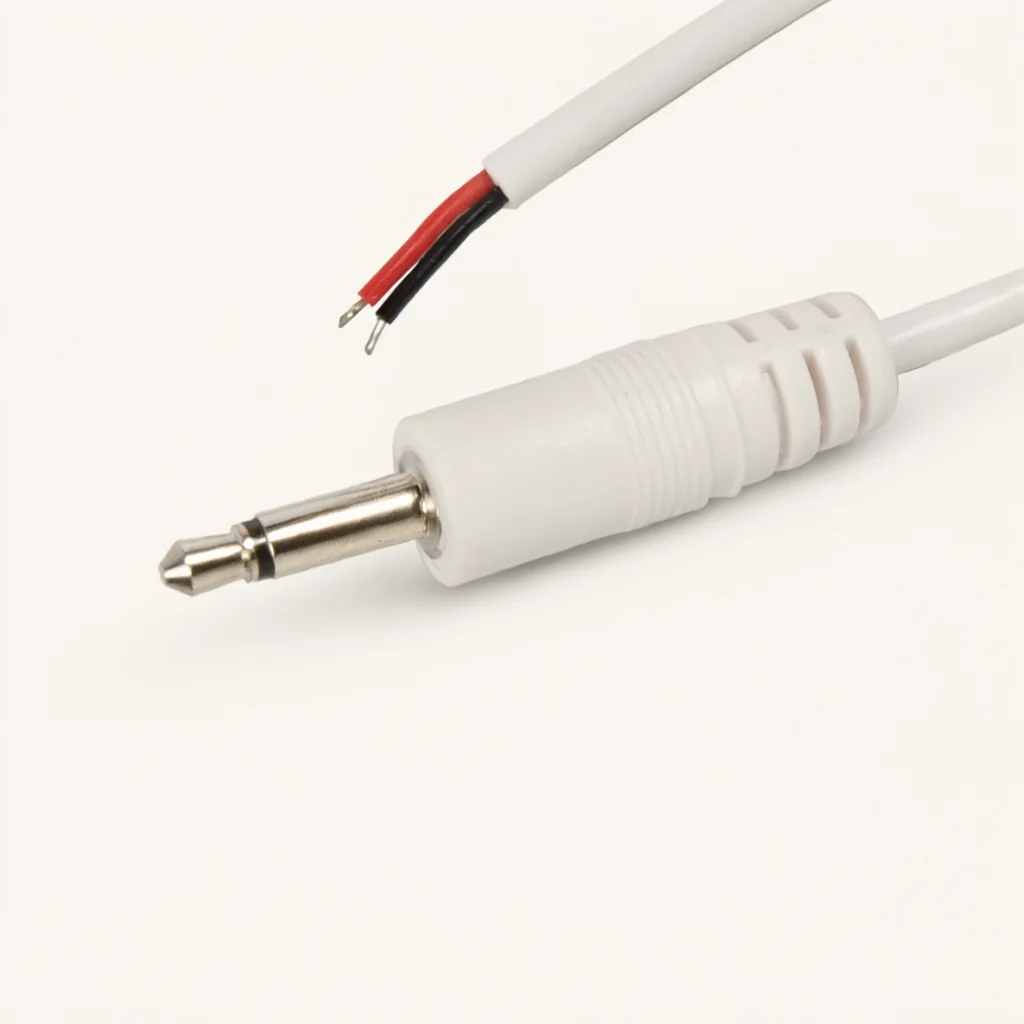
Identify the component or assembly point that will receive the unfinished end of the lead. Provide the termination requirements your team wants considered, including any preparation instructions it has already approved. Ask what arrangement can be proposed for that request. Keep a requested tail preparation separate from the listed connector options until it has been confirmed.
Create a contact-to-tail schedule using the references approved for the audio connector. If your assembly instruction uses wire identifiers, state the required correspondence in writing. Ask the proposal to address that schedule and have your technical owner review the response. Keep appearance choices, such as the external cable color, distinct from the connection assignments.
Describe the sequence your team plans to use when installing the lead. Identify when the receiving end would be connected and what access your assembler wants at that stage. Mark the working area on a drawing and request a sample review using that arrangement. Ask the reviewer to record any requested change against the specific receiving-end instruction.
Choose a lead length for the internal route
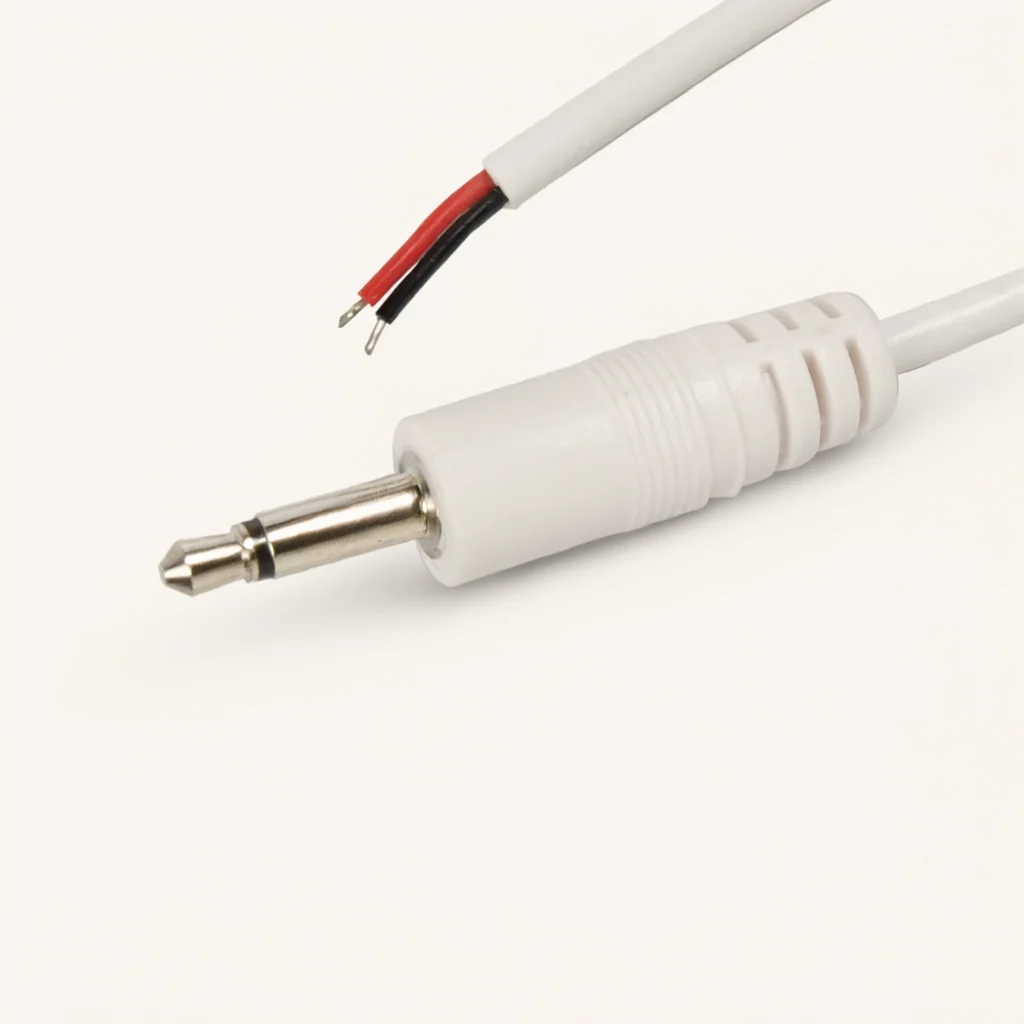
The series lists 30, 50, 100, 150 and 200 cm lengths, with customized length available. Draw the route between the audio connector location and the receiving assembly. State where your requested finished measurement should begin and end. Ask for those references to be confirmed before selecting one of the listed lengths or requesting another dimension.
Include any installation position your assembly process wants reviewed in addition to the normal installed route. Have the process owner identify the working length it requires for connecting the unfinished end. Show that request on the drawing rather than adding an unexplained allowance to the purchase description. Keep the selected dimension tied to the current assembly revision.
If several versions of your equipment need different lengths, prepare a schedule with one item per version. Include the connector gender, pole count and receiving-end reference on every line. Ask the sample reviewer to identify which route and length were used. Record the approved combination for each version before purchasing requests a repeat order.
Select conductor, finish and color options
The series describes oxygen-free copper conductors and optional gold-plated or nickel-plated terminals. Black and white are listed, with customized colors available. State the terminal finish and color you want for the selected gender and pole configuration. Ask for confirmation of that complete combination rather than treating all the series choices as one fixed item.
If a project specification requires a particular finish, include the relevant reference and ask the proposal to identify the selected option explicitly. Have the responsible reviewer accept that choice alongside the connector configuration. Keep the conductor description and terminal finish as separate entries in your purchasing record so each can be checked against the proposal.
For a custom color request, provide a reference and explain the appearance or identification requirement your team wants reviewed. Ask for a proposed sample or reference to compare. If different equipment versions will use different colors, give each combination its own item code and keep its contact-assignment schedule attached to the corresponding record.
Review one connector configuration at a time
Prepare a review sheet that names the sample's gender, pole count, length, color and terminal finish. Include the mating interface and receiving-end instructions. Ask the reviewer to record the sample identifier and the drawing revision provided with it. Keep separate records for different configurations even if they are being evaluated during the same session.
Have your technical owner define the checks required for the intended audio connection. Ask the reviewer to record the equipment setup and the connection schedule used. Keep the review of physical access distinct from the functional evaluation and from any further acceptance work your project requires. Associate each observation with the configuration actually reviewed.
If the review leads to a change, identify whether it concerns the connector selection, an assignment, the lead length or the unfinished end. Write the revised requirement and request an updated proposal where needed. Preserve the earlier notes in your project records, but nominate one current drawing and schedule as the reference for the next decision.
Keep pigtail variants identifiable through purchasing
Use separate item references for different pole counts, connector genders and lead lengths. Ask the quotation to show the requested combination on each line. Have purchasing compare the response with the engineering schedule before discussing an order. Flag any configuration that still lacks an approved contact assignment or confirmed receiving-end description.
Describe the packaging and identification you would like for the requested leads and ask what can be proposed. If your assembly locations use different configurations, explain how your receiving team wants them distinguished. Treat that arrangement as an enquiry requirement until it has been confirmed. Keep the agreed identification instructions with the relevant item records.
For future purchasing, reference the approved connector drawing, contact-to-tail schedule and sample record where your process uses one. Ask your team to review any proposed change against those documents. Keep the requested quantity and schedule questions attached to the correct item, while maintaining the technical configuration as the primary reference for identifying the lead.
Send a complete audio pigtail request
Locate the audio options in the product range and state the required 3.5 mm single-ended configuration. Include connector gender, pole count, mating interface reference and contact assignments. Add the receiving-end requirement and requested length with its measurement references. Identify the preferred color and terminal finish and list any choices that remain open.
Send a drawing link through the contact page or email the documents with their current revision references. State your intended quantity and requested schedule as details to confirm. If you are evaluating several configurations, label each alternative and explain which decision your team needs the quotation or sample to support.
Before sending, ask the technical owner to check every contact assignment and the receiving-end instruction. Have purchasing check that each configuration has a distinct item reference and that the requested options are attached to the correct line. Provide contacts for technical clarification and identify who will approve the final lead configuration within your project.
Frequently asked questions
Which connector configurations are listed?
The series describes 3.5 mm single-ended male and female options with 2, 3 and 4-pole configurations. Choose the gender and pole count required by your equipment and provide the mating interface reference. Keep different configurations separate in your enquiry and sample records.
Which lengths can I discuss?
Listed lengths are 30, 50, 100, 150 and 200 cm, with custom lengths available. Mark the route and the finished measurement references your team wants used. Ask for the selected length to be confirmed alongside the receiving-end requirement.
What material and finish options are described?
The series describes oxygen-free copper conductors and optional gold-plated or nickel-plated terminals. Black, white and customized colors are listed. State the finish and color you want for the selected connector configuration and request confirmation of that combination.
What connection information should I provide?
Supply a contact-assignment drawing approved by your technical team and identify the receiving point for the unfinished end. State any required tail preparation as a request for confirmation. Ask the sample reviewer to use the current connection schedule and record the equipment setup actually reviewed.